
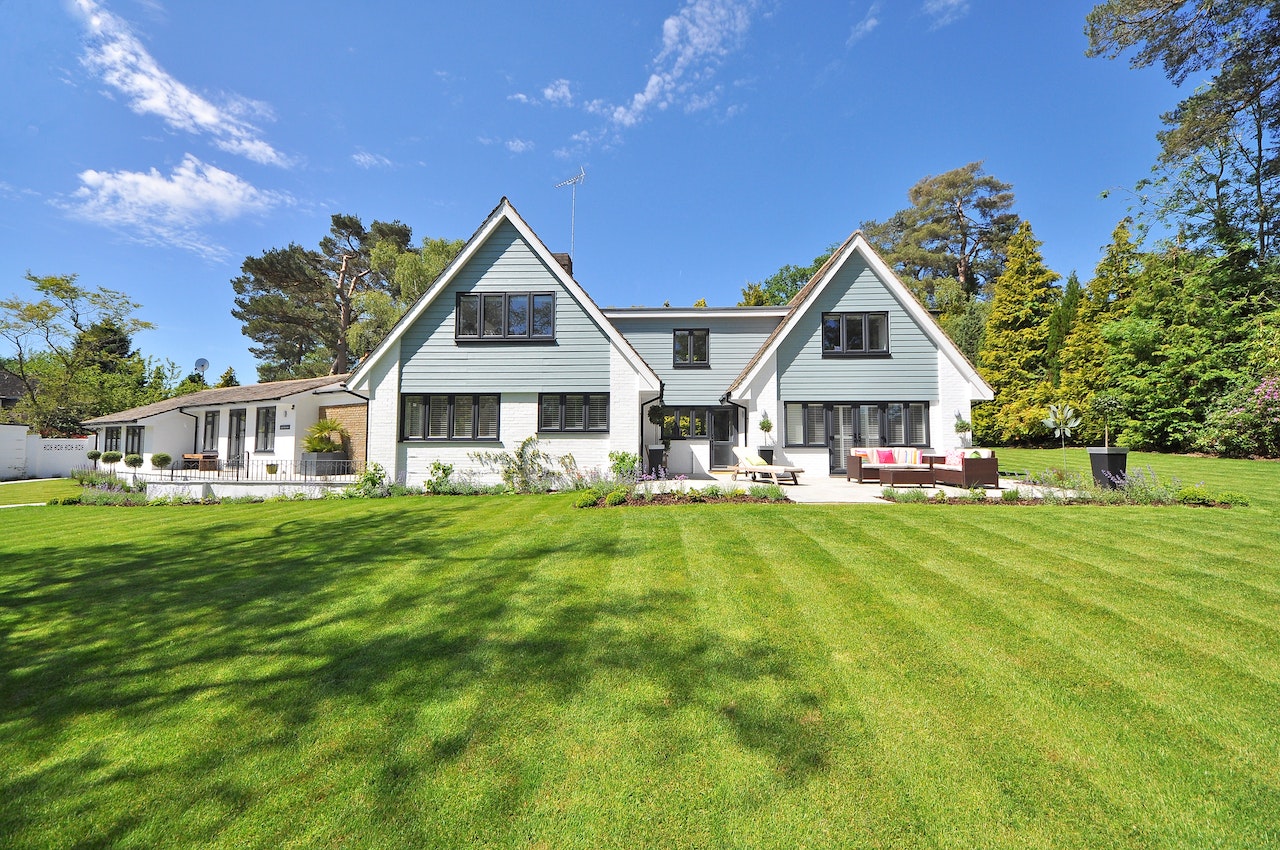
We’ve all seen it—the unkempt, overgrown landscape that is in desperate need of some TLC. Or the barren, lifeless landscape that has been neglected for far too long. But have you ever stopped to think about what it takes to create a beautiful, lush landscape that will be the envy of your neighbors?
Landscape design is a great way to express your creativity, turn your backyard into an oasis, and increase the value of your home. It’s also a science, though, and understanding the basics will help you create something that’s both functional and aesthetically pleasing.
Whether you’re just starting out or are an experienced landscaper, breaking down the fundamentals of landscape design is the best way to get started. Read on to get an understanding of the basic principles of landscape design and how they can transform your outdoor space.
Exploring the Basic Principles of Landscape Design
1. Unity
Unity is one of the most important principles of landscape design. It’s the idea that all elements of a design should work together to create a cohesive, unified look. This means that the colours, shapes, textures, and materials used in a landscape should be carefully chosen and arranged to create a unified whole.
Unity can be achieved through the use of a consistent colour palette and a repetition of shapes and forms. The use of plants and other elements that are in scale with each other can also help create a unified look. Additionally, a strong focal point can help draw the eye and create a sense of unity in the landscape.
2. Balance
Balance is the visual relationship between elements of the landscape in terms of size, shape, texture, and colour. It is the act of creating an even distribution of visual weight in a landscape to create a sense of harmony and unity.
There are two types of balance in landscape design: symmetrical and asymmetrical. Symmetrical balance is achieved when elements in the landscape are the same size and spaced evenly in relation to each other. Asymmetrical balance is achieved when elements in the landscape are different sizes and spaced unevenly in relation to each other.
Symmetrical balance is often used to create a formal and structured look in a landscape. This type of balance creates a sense of order and is often used in formal gardens or settings. Asymmetrical balance is often used to create a more natural or informal look in a landscape, promoting a sense of movement, and making it great in naturalistic gardens or settings.
3. Proportion and Repetition
Proportion and repetition are important for creating a visually pleasing landscape design. When elements are in proportion, they appear balanced and create harmony. Repetition adds visual interest and rhythm to a design, creating a sense of unity.
By using the correct proportions, elements such as trees, shrubs, and other features can be used to create a unified and harmonious design. It is important to consider the size of the elements in relation to each other as well as to the overall landscape design. For example, if a large tree is placed in the centre of a garden, it should be balanced by smaller trees and shrubs around it, rather than by a single large shrub.
Similarly, repeating elements such as plants, shapes, textures, and colours can create a sense of unity and rhythm. This creates a sense of order and can draw the eye through the landscape. It is important to use repetition in moderation, as too much repetition can be monotonous and create a boring design.
The Bottom Line: The Key Pillars Behind a Visually Stunning Landscape Design
By understanding and using these key principles, you can create a visually stunning landscape design that will be the envy of your neighbourhood. So don’t be intimidated—with a little bit of planning and creativity, you can create a beautiful outdoor space for you and your family to enjoy for years to come.
For the best landscapers in Sydney, look no further than Mother Nature’s Landscapes. Contact us today to learn more about our services and get started on your dream outdoor space!